Electrical Substations

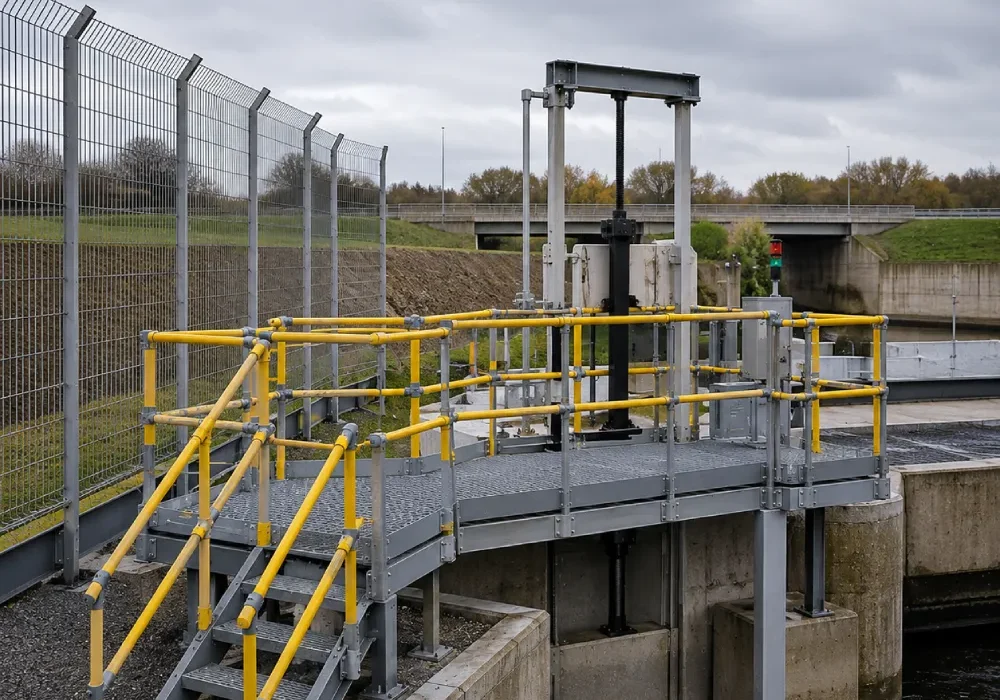
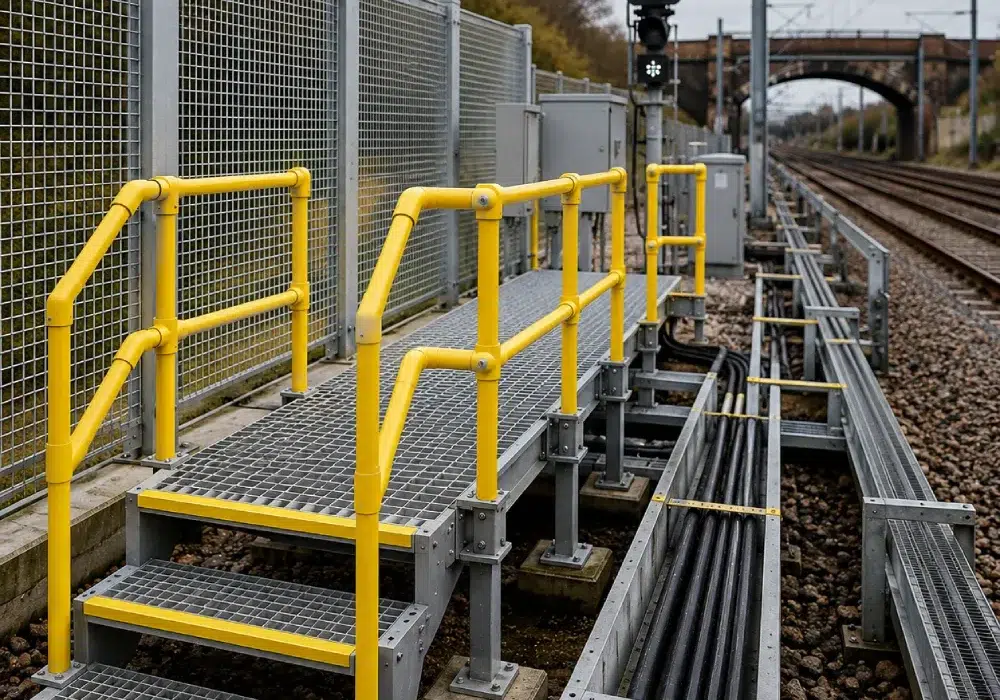
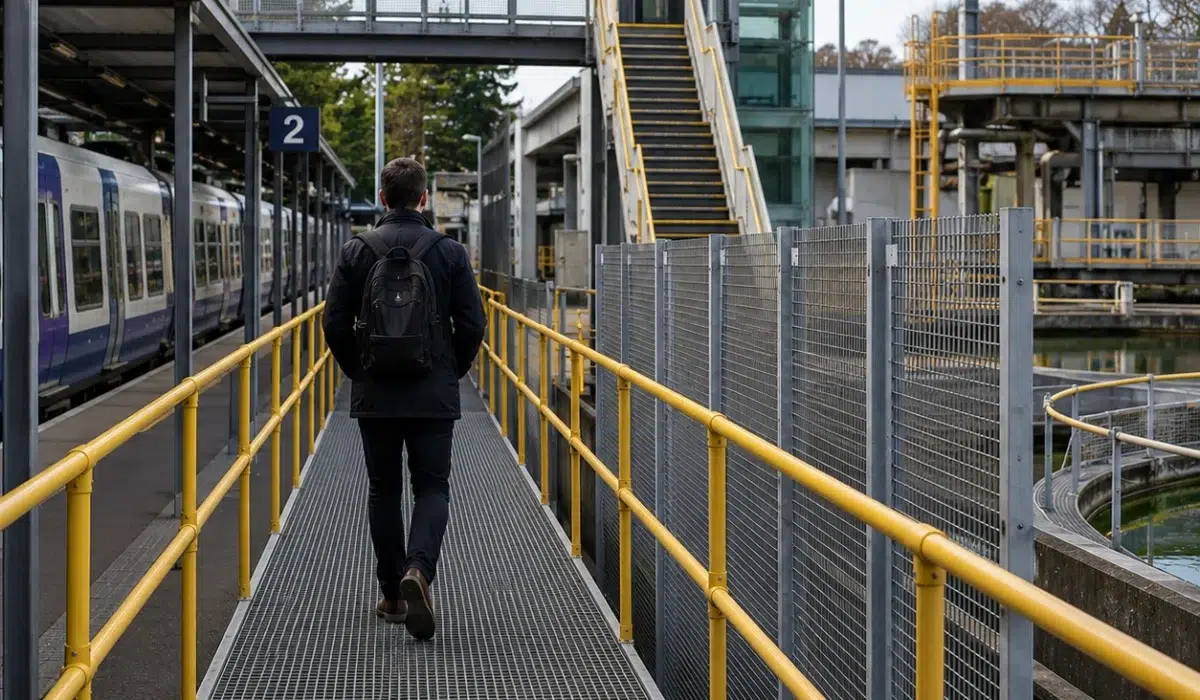
Electrical Substation Construction: The Case for Non-Conductive Access Systems

Electrical substations are among the most safety-critical environments in the UK infrastructure estate. Grid substations, primary distribution substations, and the growing number of battery energy storage and grid connection facilities associated with renewable energy development all present a consistent challenge for the engineers and contractors responsible for designing and installing [...]

Read More
GRP for Marinas

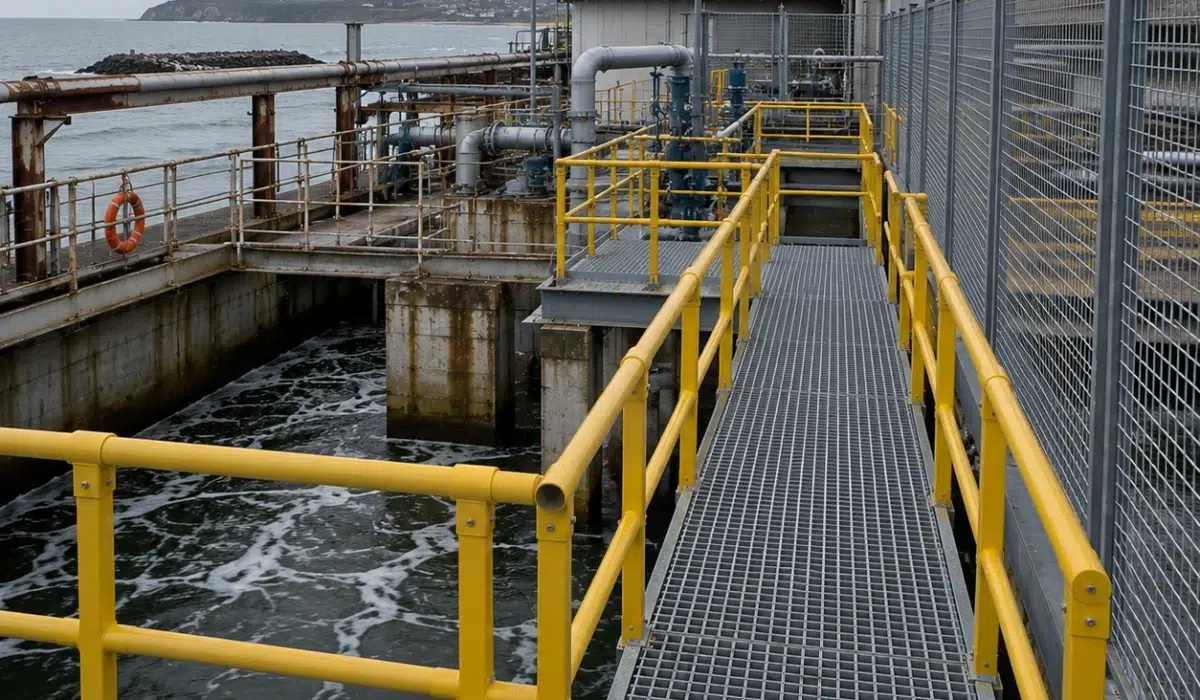
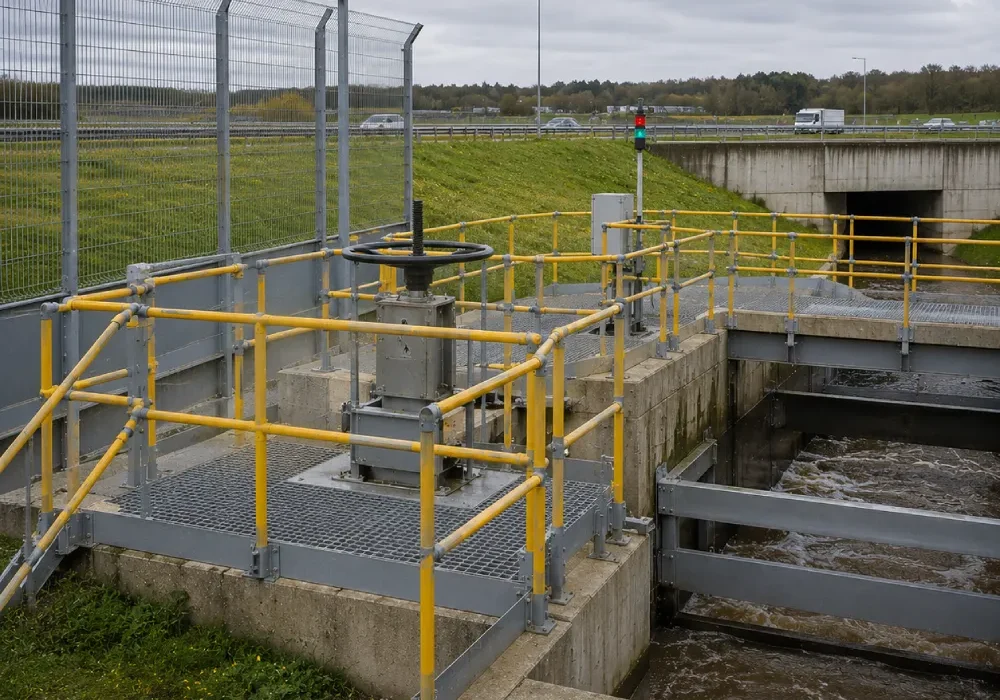
Marina and Harbour Construction: Why Composite Materials Are Replacing Timber and Steel on UK Waterfront Projects

The UK has more than 600 commercial marinas and several thousand harbour facilities, ranging from major port infrastructure to small leisure marinas and tidal landing stages. Many of the access systems, pontoon walkways, gangways, handrails, and jetty structures within these facilities were built with timber or steel in the 1970s, [...]

Read More
industrial handrail

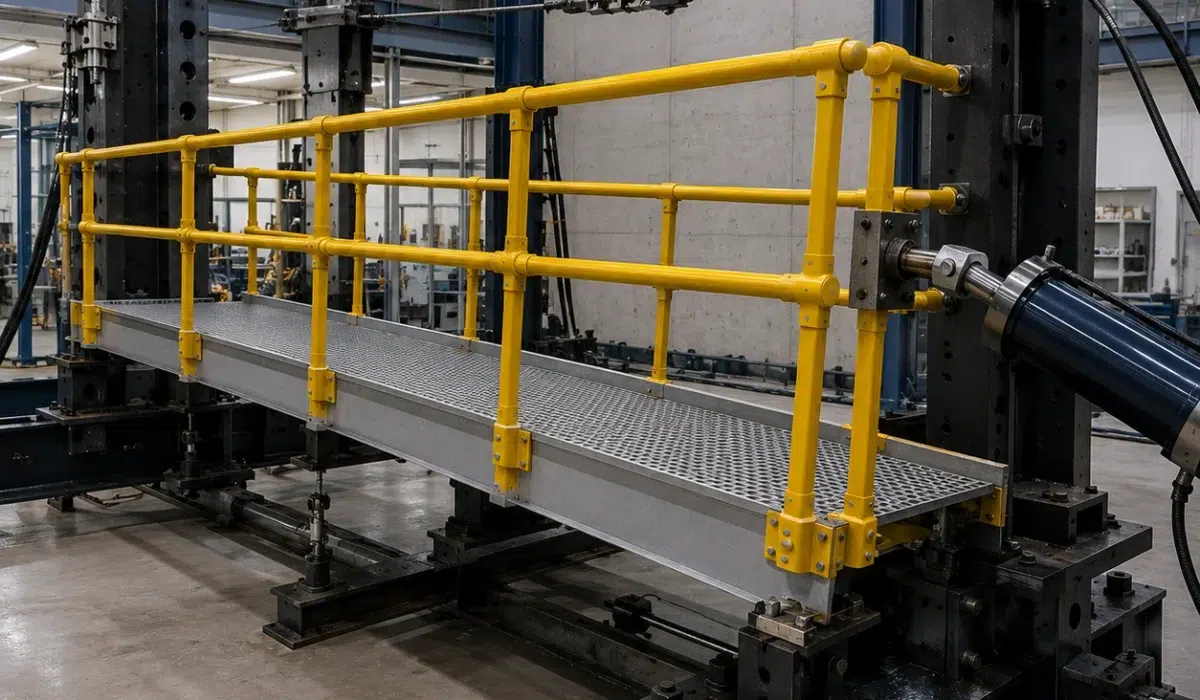
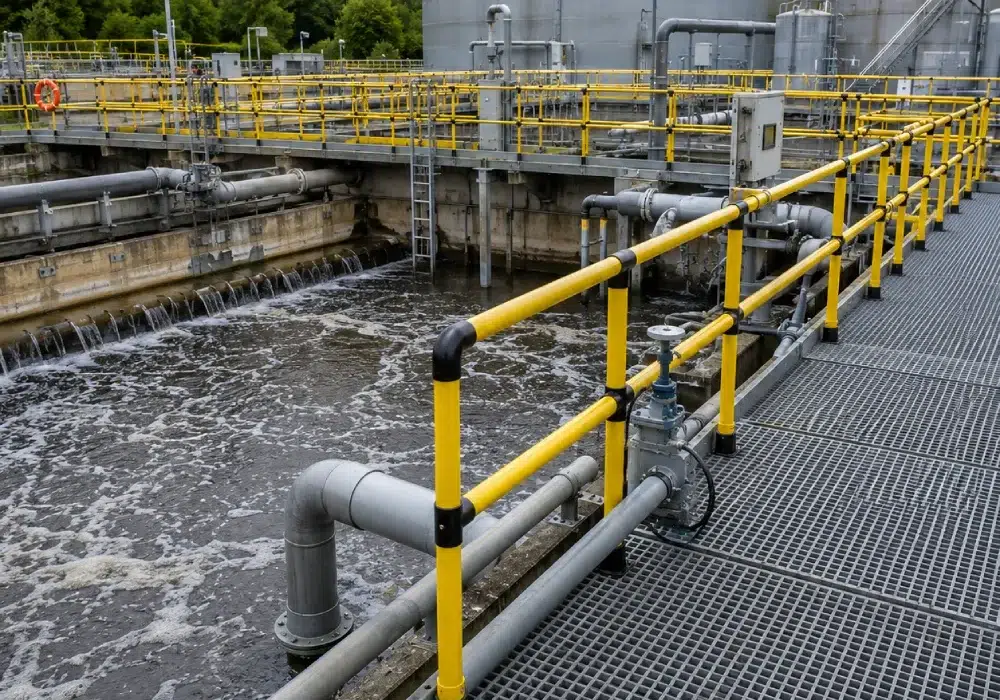
Industrial Handrail Requirements in the UK: Standards, Compliance, and Specifying GRP

Industrial handrails are safety-critical components. Getting the specification right means understanding which standards apply to the application, what load and deflection performance those standards require, and how the chosen handrail system demonstrates compliance through independent testing. For engineers, safety managers, and specifiers responsible for access platforms, walkways, mezzanines, and industrial [...]

Read More
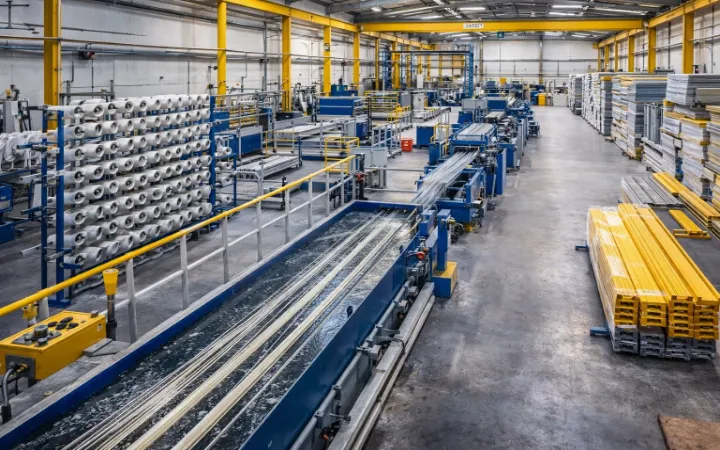
Pultruded GRP Profiles

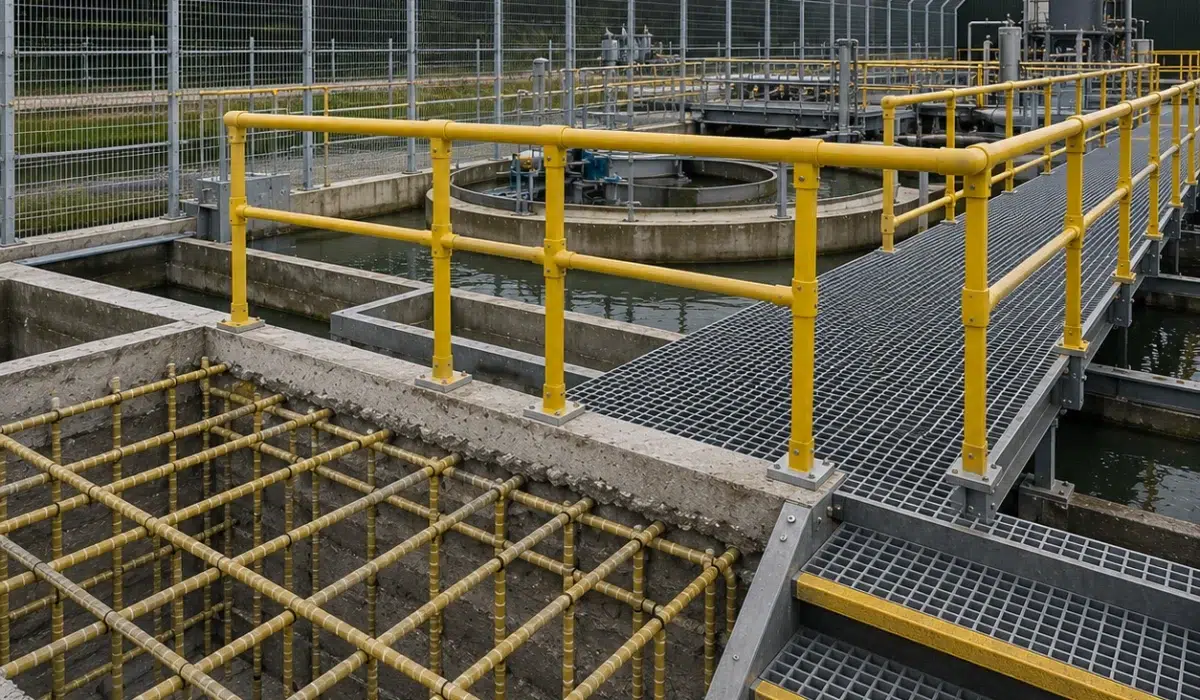
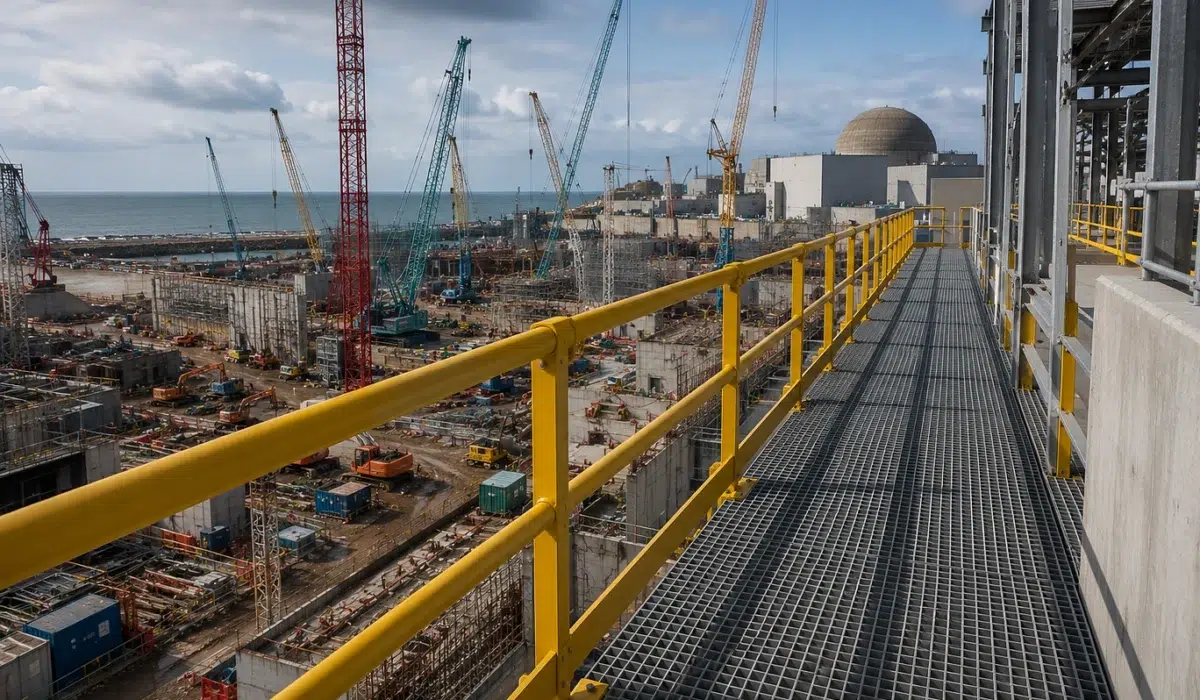
Pultruded GRP Profiles: A Technical Guide for Engineers and Specifiers

Pultruded GRP profiles have moved from specialist composite applications into mainstream structural and infrastructure specification over the past two decades. The combination of structural performance, corrosion immunity, non-conductive properties, and low lifecycle cost that characterises the material has made it a credible alternative to steel and aluminium across a wide [...]

Read More