BREEAM

BREEAM Infrastructure: How GRP Specification Supports Credits on Civil Engineering and Utilities Projects

BREEAM Infrastructure is a sustainability assessment framework that is distinct from BREEAM New Construction and operates across a different project base. Where BREEAM New Construction applies to buildings, BREEAM Infrastructure covers roads, railways, flood defence, water and wastewater infrastructure, tunnels, bridges, and utilities projects. For engineers and project sustainability managers [...]

Read More
net-zero-rail

Net Zero Rail Infrastructure: How Material Specification is Supporting the UK’s Carbon Reduction Commitments on the Railway

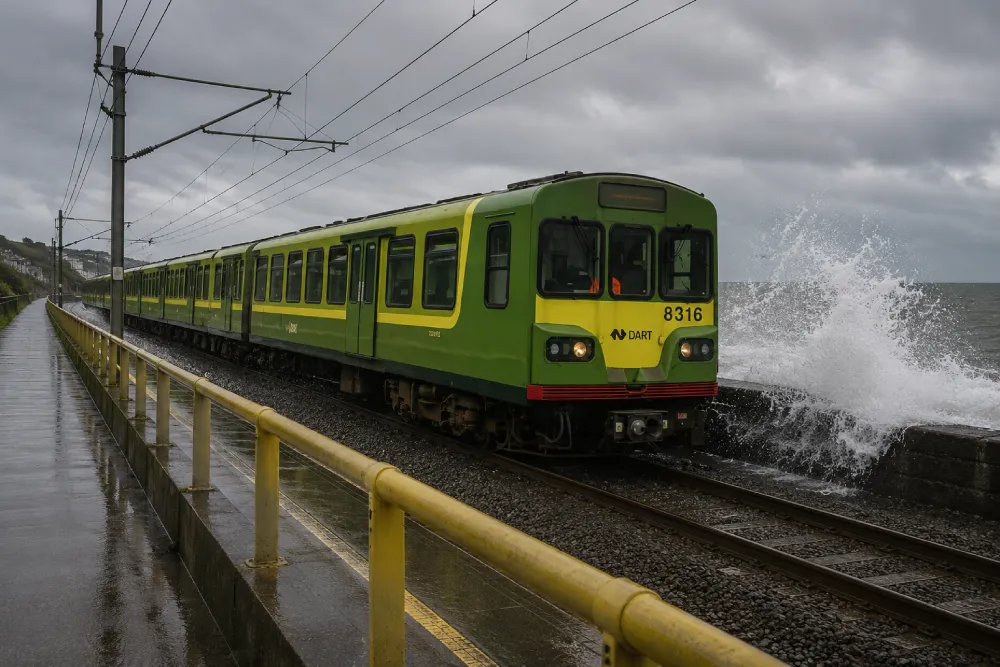
Network Rail has committed to reducing its operational carbon footprint by 50 per cent by 2030 and to achieving net zero by 2050. Those commitments are not confined to energy procurement and traction power. They extend into the infrastructure materials chosen for station upgrades, lineside access systems, anti-trespass installations, and [...]

Read More
Construction-playbook

The Construction Playbook and Low-Carbon Procurement: What Infrastructure Suppliers Need to Know

Public sector infrastructure procurement has changed. The Construction Playbook, published by the Cabinet Office and embedded across central government contracting since 2020, has established whole-life value, carbon reduction, and supply chain transparency as non-negotiable criteria in how public construction contracts are assessed and awarded. For suppliers of structural and access [...]

Read More
GRP for Renewable Energy Construction

Renewable Energy Construction: How GRP is Meeting the Material Demands of the UK’s Clean Energy Programme

The UK’s clean energy construction programme is the largest infrastructure investment in a generation. Offshore wind, onshore wind, solar farms, battery energy storage systems, hydrogen production facilities, and the grid infrastructure required to connect and manage all of this generation capacity are all in simultaneous construction and development. The pace [...]

Read More
Electrical Substations

Electrical Substation Construction: The Case for Non-Conductive Access Systems

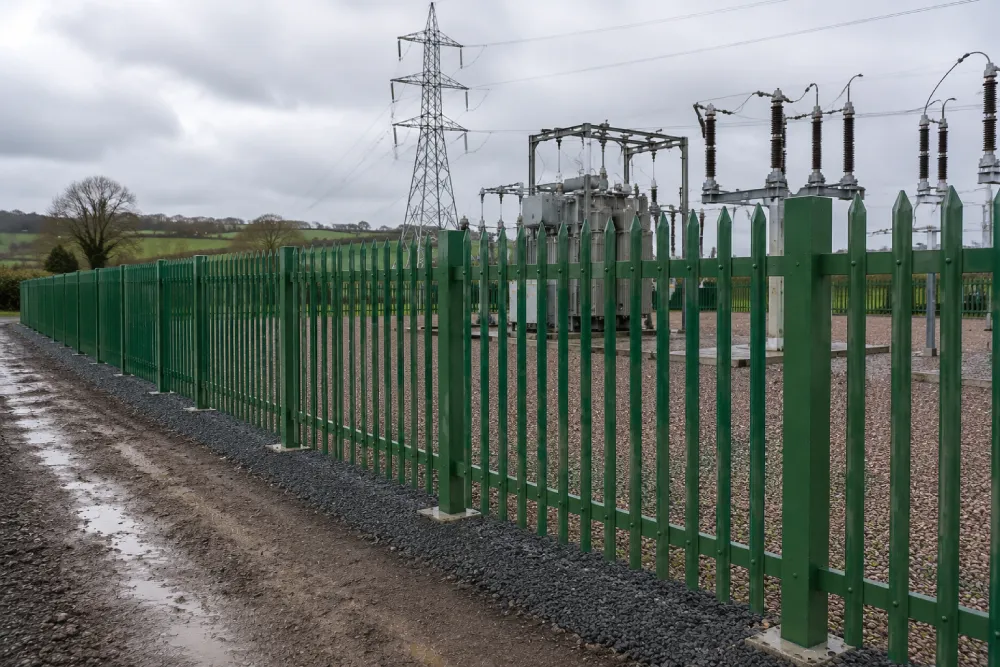
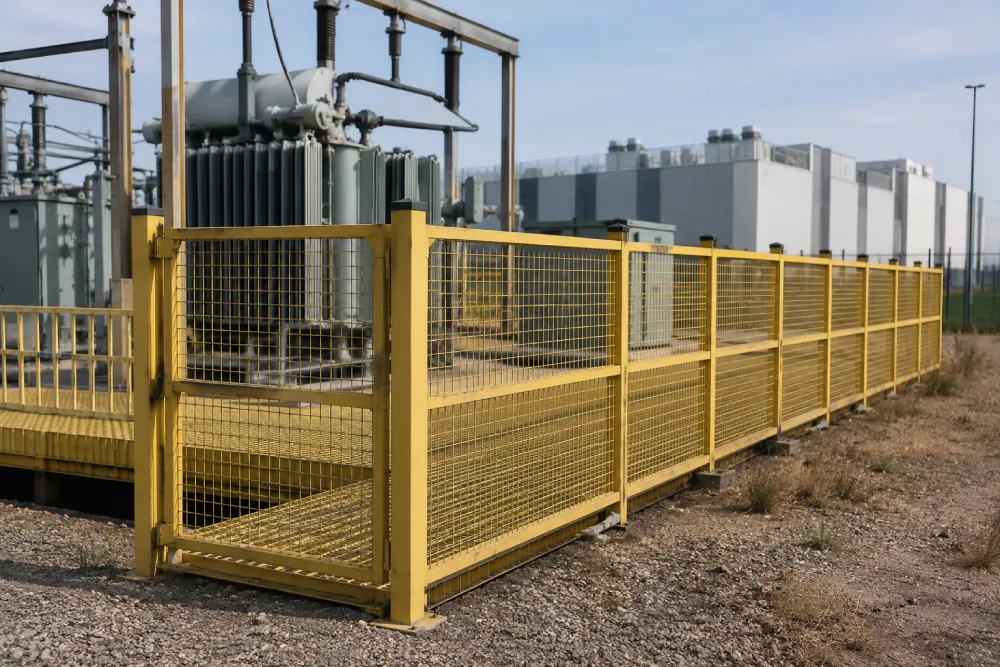
Electrical substations are among the most safety-critical environments in the UK infrastructure estate. Grid substations, primary distribution substations, and the growing number of battery energy storage and grid connection facilities associated with renewable energy development all present a consistent challenge for the engineers and contractors responsible for designing and installing [...]

Read More
GRP for Marinas

Marina and Harbour Construction: Why Composite Materials Are Replacing Timber and Steel on UK Waterfront Projects

The UK has more than 600 commercial marinas and several thousand harbour facilities, ranging from major port infrastructure to small leisure marinas and tidal landing stages. Many of the access systems, pontoon walkways, gangways, handrails, and jetty structures within these facilities were built with timber or steel in the 1970s, [...]

Read More