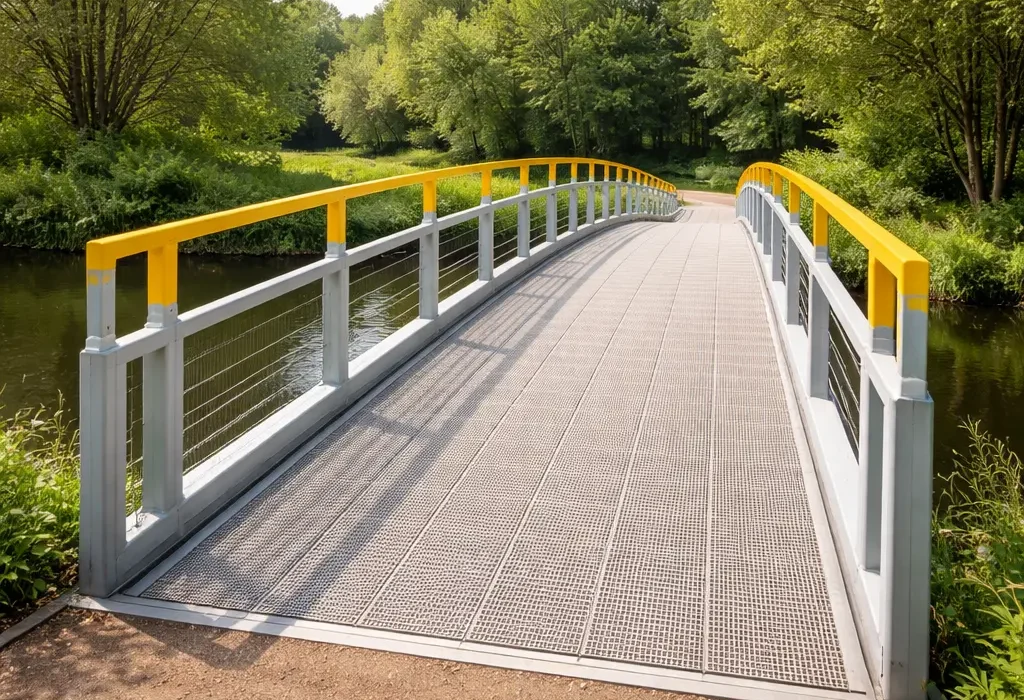
industrial handrail

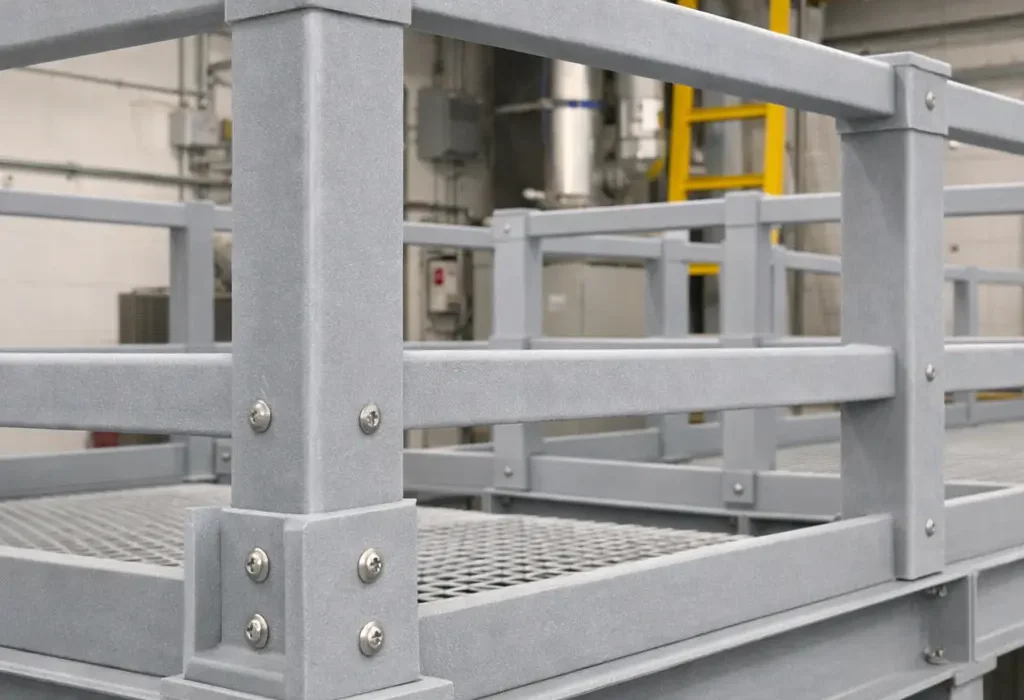
Industrial Handrail Requirements in the UK: Standards, Compliance, and Specifying GRP

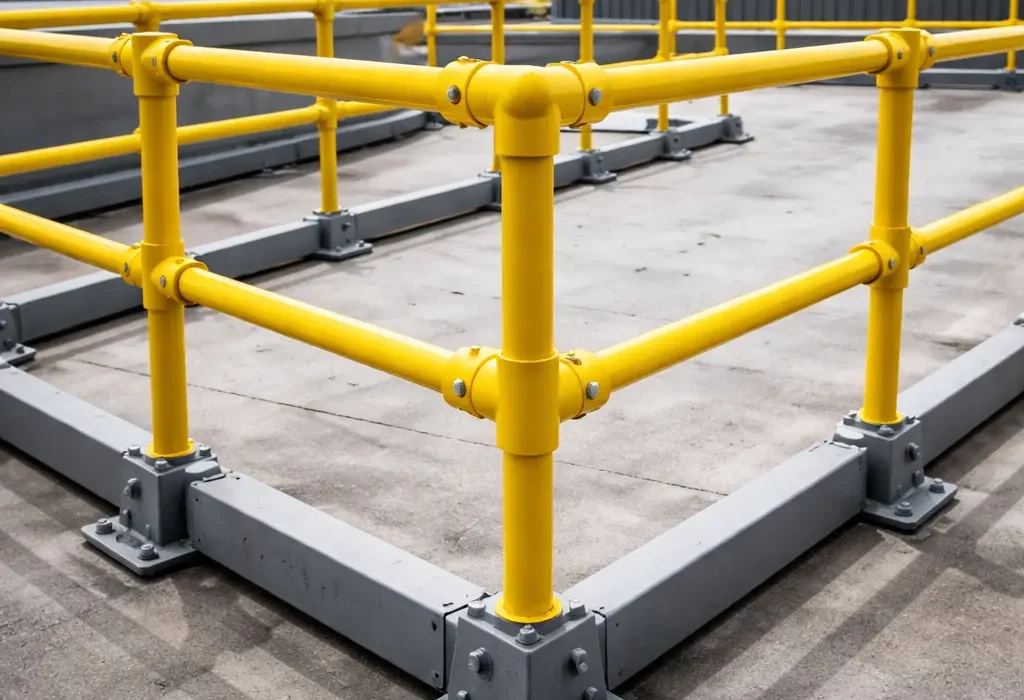
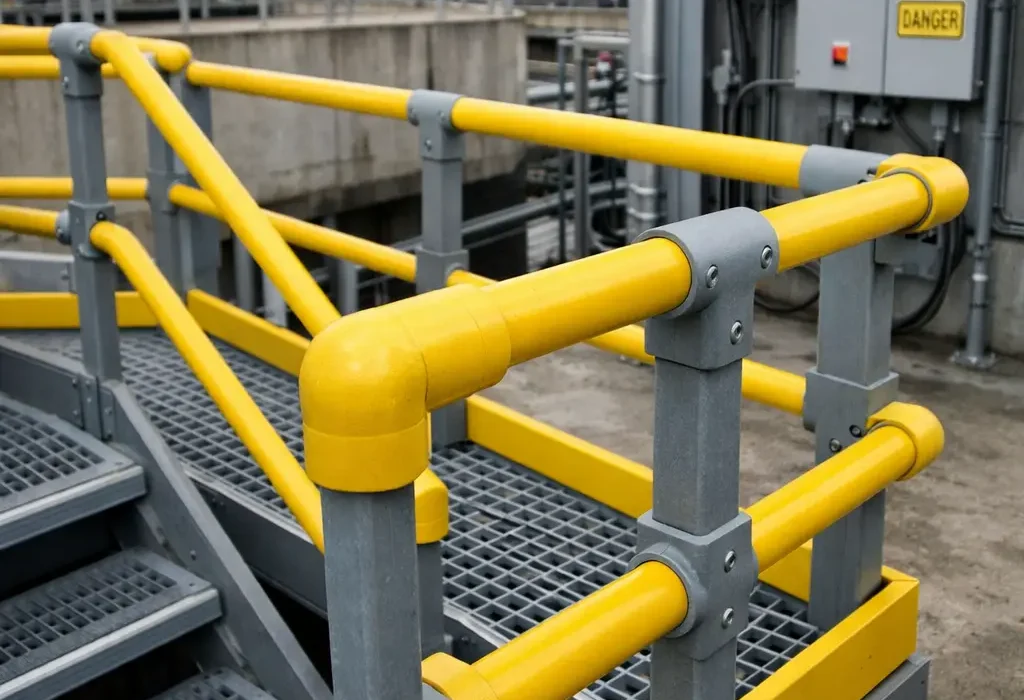
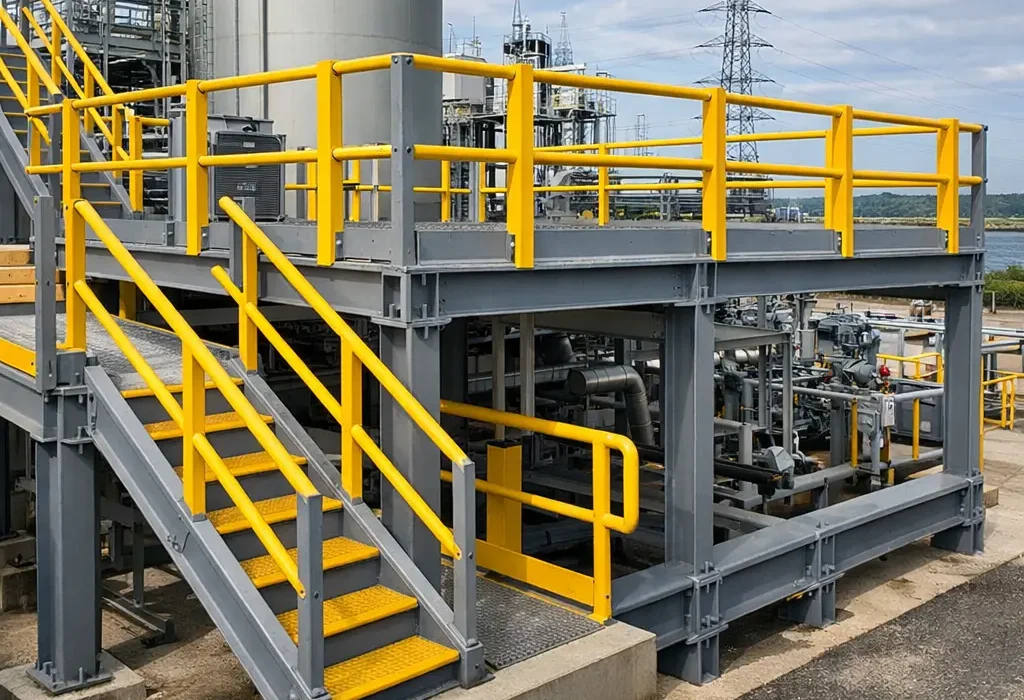
Industrial handrails are safety-critical components. Getting the specification right means understanding which standards apply to the application, what load and deflection performance those standards require, and how the chosen handrail system demonstrates compliance through independent testing. For engineers, safety managers, and specifiers responsible for access platforms, walkways, mezzanines, and industrial [...]

Read More
Pultruded GRP Profiles

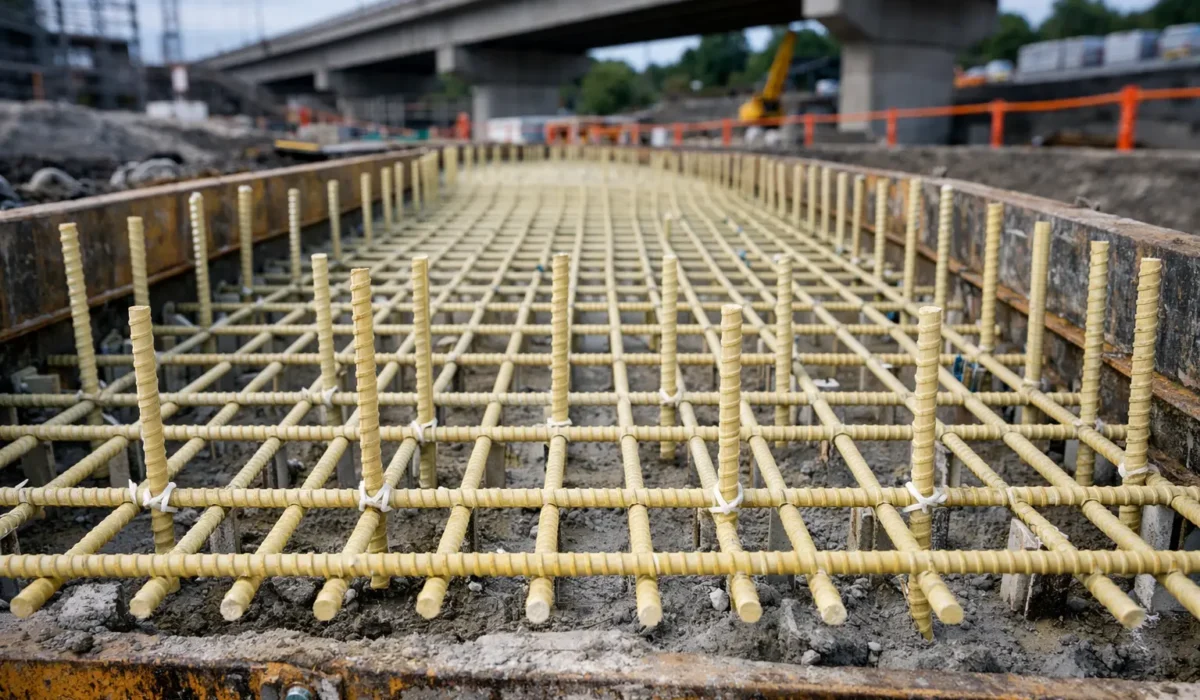
Pultruded GRP Profiles: A Technical Guide for Engineers and Specifiers

Pultruded GRP profiles have moved from specialist composite applications into mainstream structural and infrastructure specification over the past two decades. The combination of structural performance, corrosion immunity, non-conductive properties, and low lifecycle cost that characterises the material has made it a credible alternative to steel and aluminium across a wide [...]

Read More
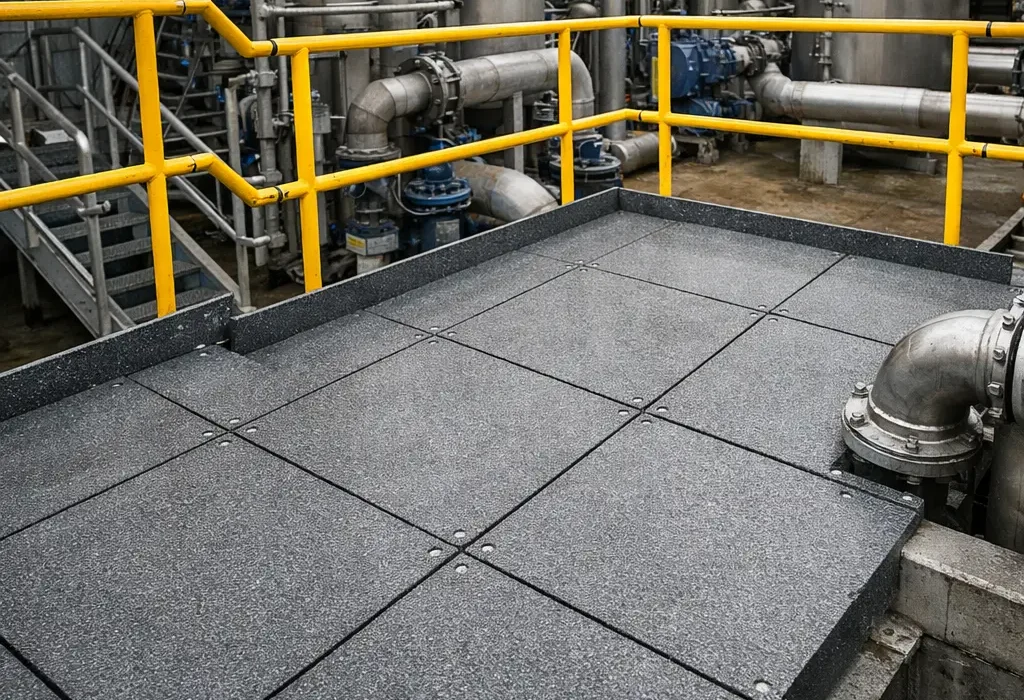
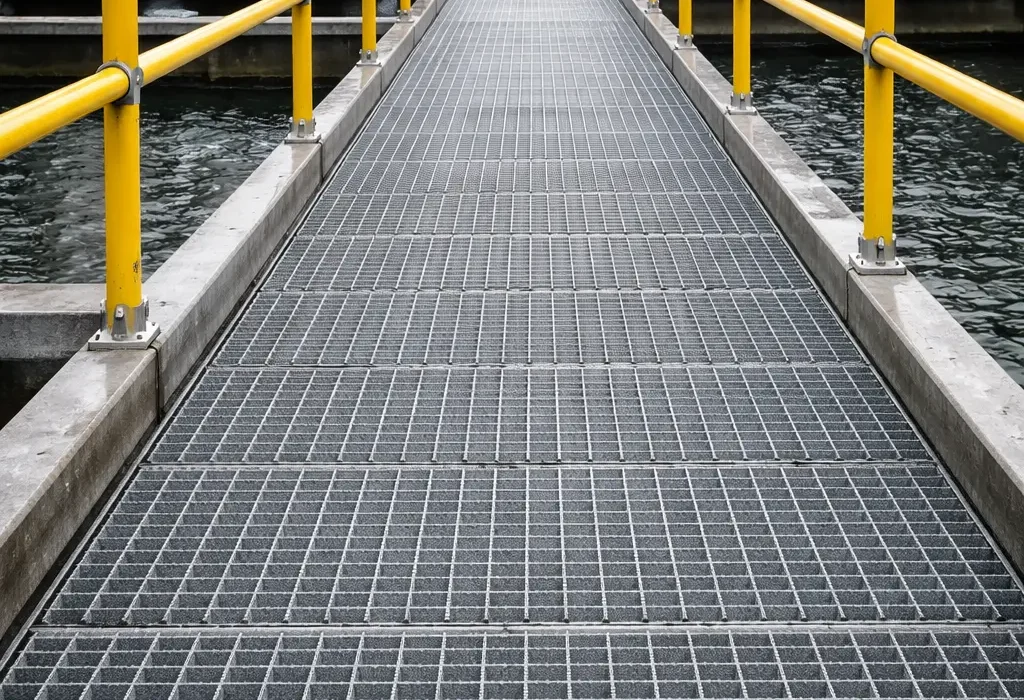
GRP Anti Slip Grating for Industrial Walkways and Platforms

GRP Anti Slip Grating for Industrial Walkways and Platforms: What Specifiers Need to Know

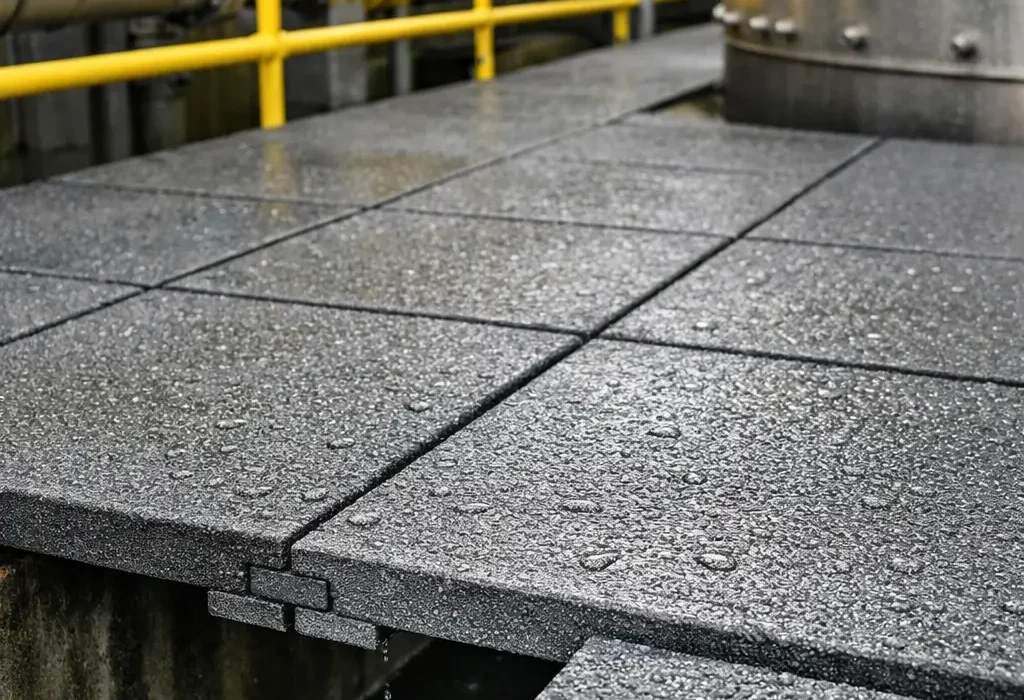
Slip resistance and structural integrity are the two requirements that define grating performance in industrial and infrastructure environments. In wet, chemically aggressive, or high-traffic settings, the material choice for walkways, platforms, and drainage covers has a direct bearing on both safety outcomes and long-term maintenance cost. GRP anti slip grating [...]

Read More
GRP Sustainable Materials for Long Life Infrastructure

GRP Sustainable Materials for Long Life Infrastructure

Introduction As infrastructure sectors work toward reducing environmental impact and meeting sustainability targets, material selection has become a critical factor in project design. Durable materials that deliver long service life and require minimal maintenance play an essential role in reducing lifecycle emissions and improving asset efficiency. GRP sustainable materials are [...]

Read More
Lightweight Construction Materials and Infrastructure Efficiency

Lightweight Construction Materials and Infrastructure Efficiency

Introduction Modern infrastructure projects must balance structural performance, cost efficiency, and environmental responsibility. One strategy gaining increasing attention is the use of lightweight construction materials, which can significantly improve project efficiency while reducing environmental impact. Traditional materials such as steel and concrete are often heavy, requiring complex transportation logistics, heavy [...]

Read More
Corrosion Resistant Materials in Sustainable Infrastructure

Corrosion Resistant Materials in Sustainable Infrastructure

Introduction Infrastructure assets are expected to operate reliably for decades while withstanding harsh environmental conditions. However, one of the most common causes of structural deterioration in construction is corrosion. From coastal installations to chemical processing plants, corrosion can significantly reduce the lifespan of infrastructure and increase maintenance costs. As sustainability [...]

Read More